Gastro-Oesophageal (Acid) Reflux and Hiatus Hernia Surgery
Gastro-oesophageal reflux disease (GORD/GERD) occurs when stomach acid repeatedly flows back into the oesophagus, causing irritation. Common symptoms include heartburn (a burning sensation in the chest), acid regurgitation, a sour or bitter taste in the mouth, chest discomfort, bloating, and sometimes a chronic cough, hoarse voice or difficulty swallowing. Management usually starts with lifestyle changes such as weight reduction, avoiding late meals, reducing trigger foods (like caffeine, alcohol, spicy or fatty foods), stopping smoking and elevating the head of the bed. Medications such as antacids and proton pump inhibitors (PPIs) help reduce acid production and heal inflammation. In more severe or persistent cases, or when complications develop, surgical options like fundoplication may be considered.
A fundoplication is a surgical procedure used to treat severe or persistent gastro-oesophageal reflux disease when medications and lifestyle changes are not enough. During the operation, the upper part of the stomach (the fundus) is wrapped fully around the lower end of the oesophagus and stitched in place. This creates a stronger valve mechanism, preventing stomach acid from flowing back into the oesophagus. The procedure is most often performed laparoscopically through small incisions, which generally leads to quicker recovery and less postoperative pain. Most patients experience significant long-term relief from reflux symptoms, though some may notice temporary difficulty swallowing, increased gas or a feeling of fullness after meals while the body adjusts. The management of GORD is complex and involves a series of investigations, and surgery is not the answer for everyone. You should have a tailored management plan based on your overall health, investigation results and expectations to ensure you receive the correct treatment. Surgery should only be considered by a specialist familiar with the management of this condition.
A hiatus hernia is when part of the stomach moves through the diaphragm into the chest. In most people, this is asymptomatic and requires no treatment. If undergoing a fundoplication operation, however, this should be repaired concurrently. rarely, patients may be diagnosed with "giant" hiatus hernias, when most or all of the stomach has moved into the chest. Often, this requires a major operation if symptomatic, but the patient should be carefully counselled and the surgery performed by a gastric specialist.

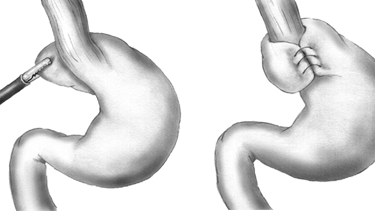
A Nissen's Fundoplication, demonstrating how the uppermost part of the stomach (fundus) is dissected free, wrapped around the lower oesophagus and stitched together, forming a new "valve" preventing acid refluxing up the oesophagus



The London Clinic
20 Devonshire Place, London, W1G 6BW
Tel: +44 (0)20 4527 7825