Gastric (Stomach) Cancer
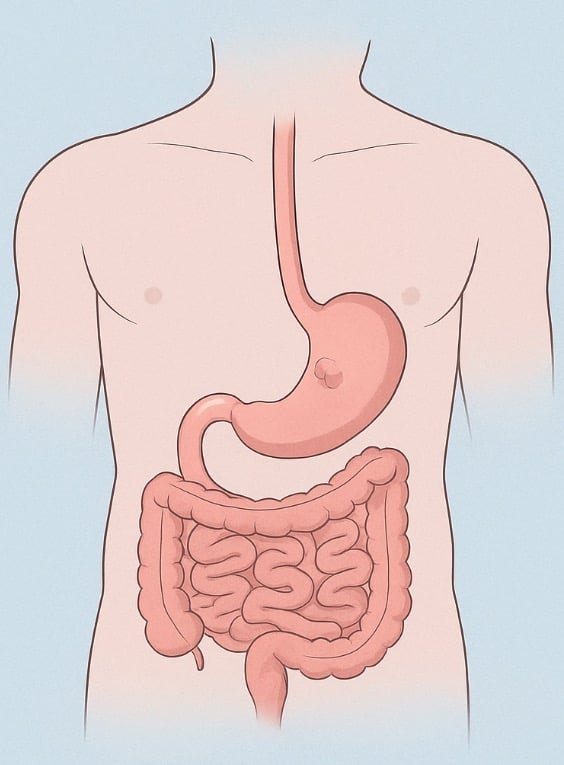
Stomach cancer, also known as gastric cancer, develops in the lining of the stomach and is often linked to factors such as long-term Helicobacter pylori infection, smoking, certain dietary habits, and a family history of the disease. It can cause vague symptoms early on such as indigestion, abdominal pain, nausea, or a feeling of fullness after eating small meals. As the cancer progresses, weight loss, persistent stomach pain, vomiting, or difficulty swallowing may appear. Treatment depends on the stage and may include surgery, chemotherapy, radiotherapy, or targeted therapies. Early detection significantly improves outcomes, making it important to seek medical advice for persistent or unexplained digestive symptoms.
Gastric cancer surgery, often called a gastrectomy, involves removing part (subtotal) or all (total) of the stomach, along with nearby lymph nodes, to treat cancer and reduce the risk of spread. The remaining portion of the stomach or the small intestine is then reconstructed to maintain digestive function. Surgery is usually recommended for cancers that are locally advanced but have not widely metastasised and is often combined with chemotherapy before and after the operation to improve long term chance of cure. Recovery can be challenging, with changes in eating habits, nutrient absorption, and digestion, but careful dietary management and support from specialist teams can help patients regain strength and quality of life. Nonetheless, this is a major operation with significant short and long term risk of complications.

The London Clinic
20 Devonshire Place, London, W1G 6BW
Tel: +44 (0)20 4527 7825